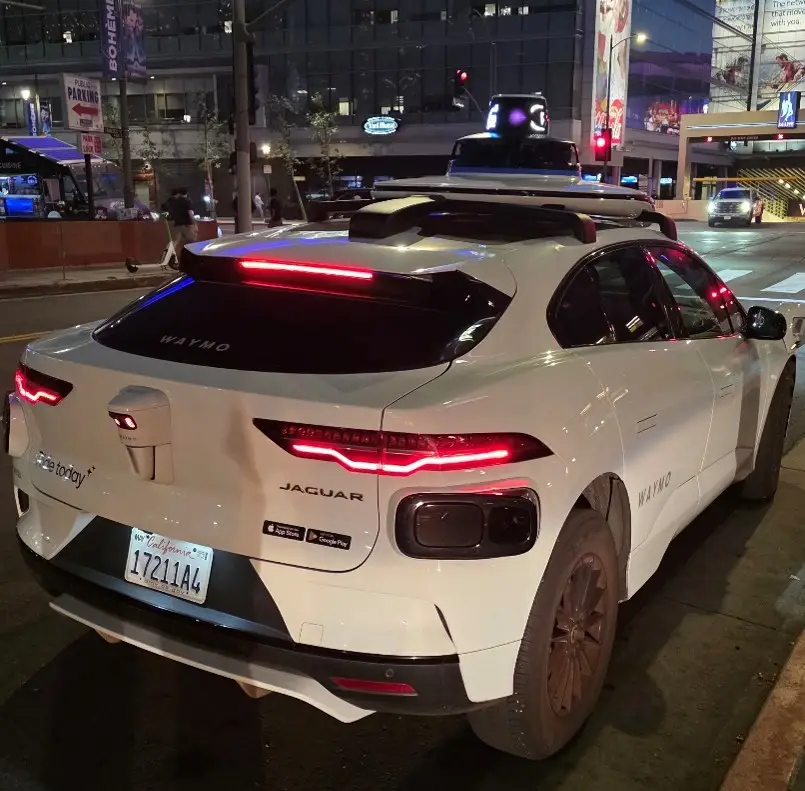
In 2026 Waymo will expand their service to a host of new cities across the US, including, Dallas, Detroit, Houston, Las Vegas, Orland, San Antonio, and San Diego This will bring its service to 13 cities in total, with service already existing in Atlanta, Austin, Los Angeles, Miami, Phoenix and the San Francisco Bay Area.
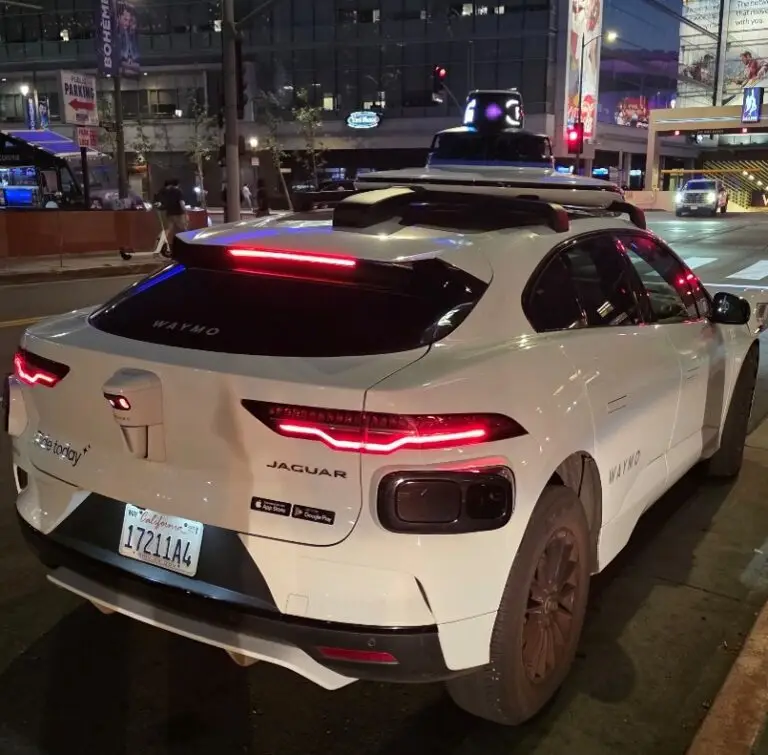
During a recent visit to Los Angeles, UX Connect used Waymo, and here are our thoughts on this experience.
First, I had a few aborted attempts at using Waymo. In September 2025 I tried to order a Waymo several times:
The first time I tried to order one from East Hollywood to West Hollywood, but the wait time was 22 minutes. In comparison, Lyft was available in less than five minutes
The second time, I tried to go from East Hollywood to the Rose Bowl, but the final destination was outside the current coverage area in Los Angeles
Undeterred, I was back in Los Angeles towards the end of the year, and travelling from downtown LA to Little Tokyo. I opened up the Waymo app, and the wait time was 22 minutes, compared to 1 minute for an Uber. The Waymo price was also almost 30% higher than Uber Black. So again I abandoned my attempt to use Waymo.
Later that evening I was travelling from downtown LA to West Hollywood, and, determined to take Waymo as long as the wait time and price were not considerably higher than Uber or Lyft, I tried again. Thankfully, I was able to order a vehicle with a wait time of around 10 minutes, and similarly priced to other services. I confirmed my ride, and then waited for the Waymo to arrive, setting the pickup spot as the entrance to my hotel.
This is where I encountered the first frustrating experience. Due to the direction the Waymo was coming from, it decided that it needed to loop around several block to get to my pickup spot. Instead of turning right on Francisco St. and picking me up on the opposite side of the street (which my Uber had done earlier that day), Waymo wanted to pick me up on the same side of the road as my hotel, and as such drove for probably an extra 5-7 minutes before it arrived.
As the vehicle approached, I appreciated the ability to adjust the cabin controls and audio setting. Once it arrived, unlocking and entering the vehicle was straightforward, as was starting the journey. The UI of both the app and backseat display aided both of these processes.
Being a first-time rider, I appreciated the ‘riding tips’ video that was played as the journey began. This covered key safety aspects, as well as addressing potential privacy concerns. It did feel a little weird getting into the vehicle, and not being greeted by a driver, having become accustomed to that with Lyft and Uber.
During the ride, the display showed important journey information – route and estimated arrival time – alongside virtual images of moving vehicles and passengers. This is likely to provide the rider with more confidence that the vehicle is aware of its surroundings.
During the ride, Waymo offers various radio stations from iHeartRadio, or allows the rider to connect a Spotify or YouTube Music account to listen to their own music selections. This provides the rider with a more personalized experience.
The actual journey itself was uneventful. Due to Waymo not being able to drive on freeways at the time of the ride, everything was via surface streets. At the time, Google Maps said taking the freeway was about 2-10 minutes faster than surface streets. so not a big difference.
As a rider I felt safe at all times. I was intrigued to see how Waymo would handle unprotected left turns. On these situations on my journey, it didn’t feel either aggressive, or hesitant. Acceleration and cruising felt smooth, though I did feel that braking was slightly harsh at some stop signs. As we neared the end of the journey, Waymo provided me with audible instructions about how to exit the vehicle, which was helpful, as it required pulling the handle twice to exit.
Overall, the user journey was a positive experience. As Waymo becomes available in more markets, more consumers will be curious to try out fully autonomous ride sharing. Trust of self-driving vehicles will remain the biggest obstacle for Waymo in the mid-term. For riders who do trust the technology, whether they choose Waymo over other forms of ride-sharing will likely come down to the following key factors:
Price of the journey
Wait time to get picked up
Route of the journey, and whether freeway driving impacts journey time
Whether the user wants to interact with a driver or not
Popular Tags
Share With
Paul Brown
Founder & Head of Research
Paul is the founder of UX Connect. He leads UX research studies across mobile devices, media, smart home and the connected vehicle. He also supports clients in developing their user experience strategies.